
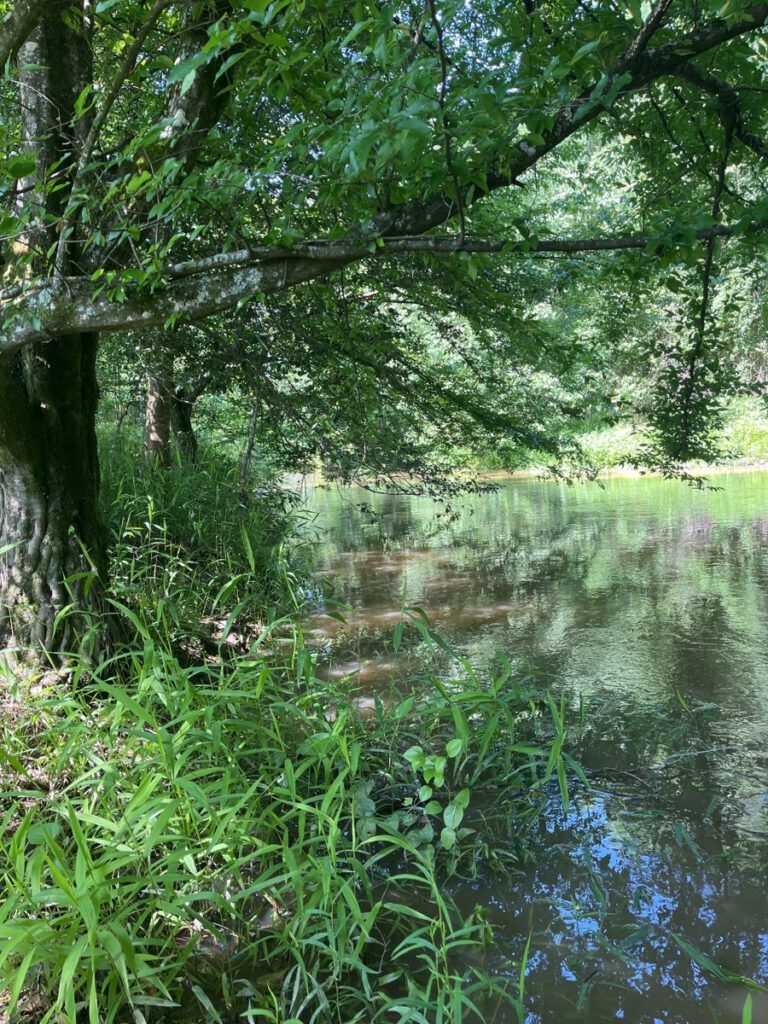
MIDDLESEX, NC (October 6, 2025)— Triangle Land Conservancy (TLC) is proud to announce the permanent protection of 69 acres along the Little River in Johnston County, finalized on September 23, 2025.
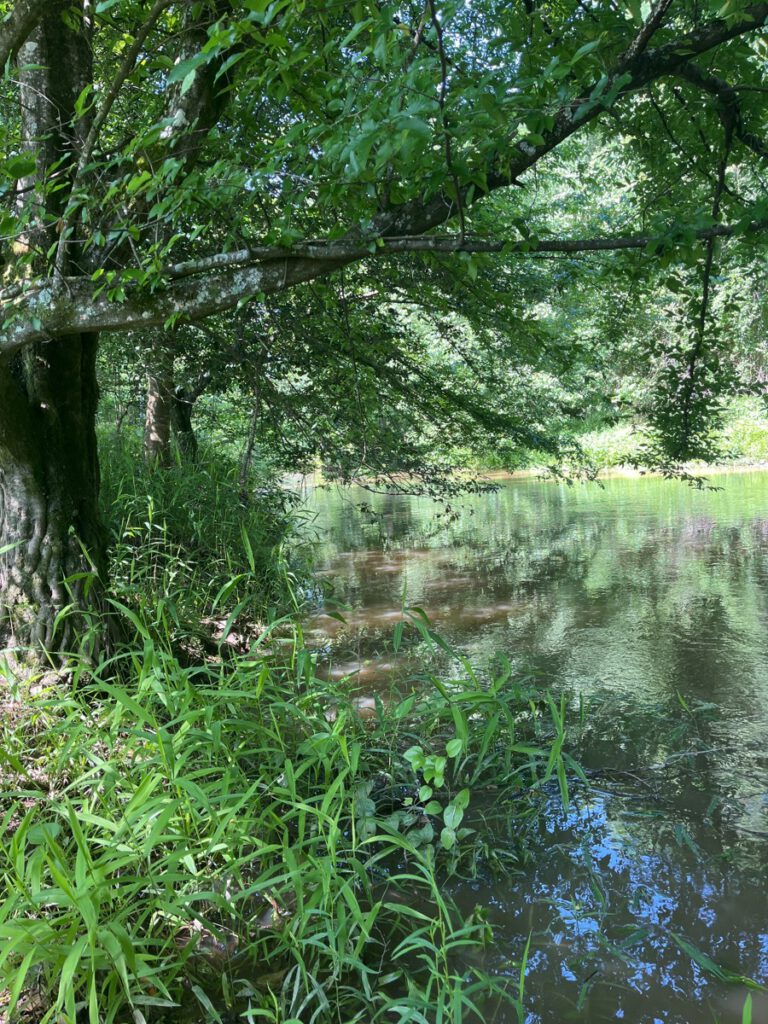
The 69-acre property, which is entirely undeveloped, is a mix of forest and ephemeral wetlands—an increasing rarity in one of North Carolina’s fastest-growing counties. The western boundary of the property is the Little River, one of the most pristine and wild rivers left in the county.
The purchase was made possible through a partnership between TLC, Johnston County, and the NC Land and Water Fund. With the County’s support and a generous bargain sale from the landowner, TLC was able to leverage state funding to purchase the property, ensuring the land will be forever protected.
“This exciting addition demonstrates the power of community and collaboration for nature” said Brenna Thompson, TLC’s Senior Land Protection Manager (East). “We are overjoyed to permanently protect this important property on the Little River and are extremely grateful to the landowner for creating this enduring conservation legacy, and to Johnston County and the NC Land and Water Fund for making this project possible with their funding. This property will add to TLC’s existing network of conservation lands on the Little River and provide a permanent refuge for some of the state’s most threatened aquatic species.”
This property expands TLC’s network of conserved land along the Little River, which now protects over 800 downstream acres. More projects are on the way—including a recent 39-acre grant-funded effort supported by the NC Agricultural Development and Farmland Preservation Trust Fund. These successes wouldn’t be possible without Johnston County’s strong partnership, which has helped TLC protect nearly 1,000 acres in the past three years. On average, every $1 the county invests brings in $9 in additional funding.
“Conserving our wildlife and land in Johnston County is the pillar of what makes our partnership a reality,” said Austin Cross, Johnston County’s Parks and Open Space Grants Coordinator.
The Little River’s forested floodplain helps to filter out sediment and nutrients from nearby developments and farms, protecting water quality and providing a last refuge to highly sensitive aquatic species found almost nowhere else. In fact, the NC Natural Heritage Program has designated this stretch of the Little River as an “Exceptional” Natural Area due to the presence of species like the Carolina Madtom, a small catfish that is federally endangered, the Neuse River Waterdog, a federally threatened salamander, and freshwater mussels like the Creeper and Notched Rainbow, also on the list of federally threatened species.
There are several depressional wetlands on the property, uncommon in Johnston County, which provide vital breeding grounds for many species of amphibian. Because these wetlands are dry at some points of the year and are disconnected from a larger body of water like a river, they cannot support fish populations, which makes them the perfect place for frogs and salamanders to lay their eggs. Taking a walk through these forests after an early spring rain you can hear a chorus of frog song as these wetlands abound with life.
Due to the sensitivity of the species found there, the property will not be open to the public at this time. The 69-acre property will continue to exist in its natural undeveloped state, as TLC will work to maintain the health of the habitats and waters present.

