Winter is prime time for observing nature
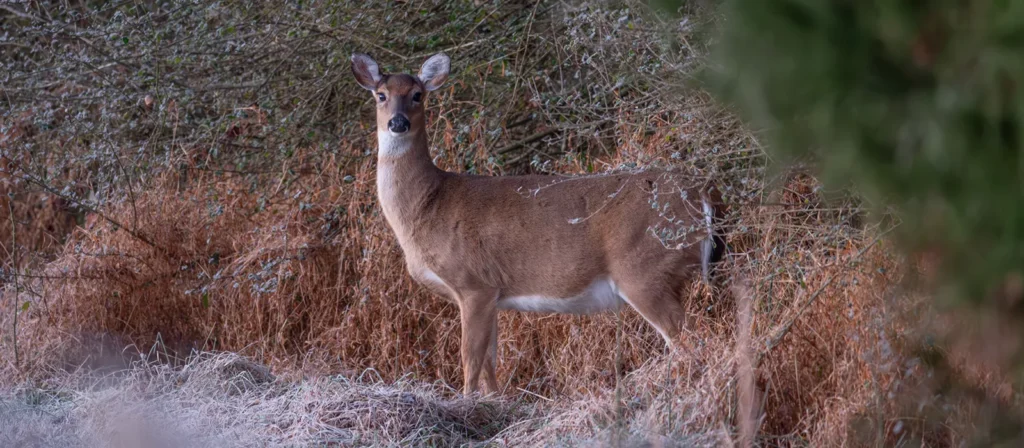
There’s so much happening in the winter woods, but it can be hard to notice when you’re heading briskly down the trail to keep warm. But adding a few stops to take a closer look or listen improves your experience and adds to the health benefits of a good walk. (Science shows that immersing in […]

Triangle Land Conservancy conserves 248 acres in Chatham County
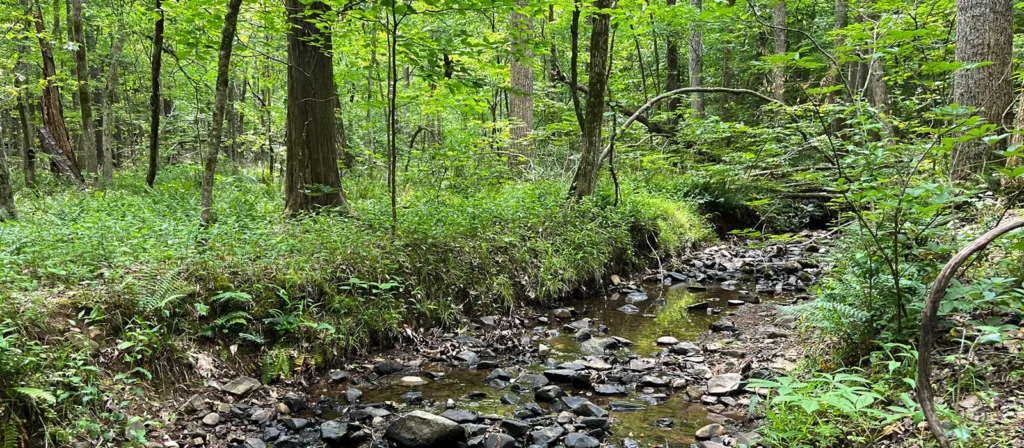
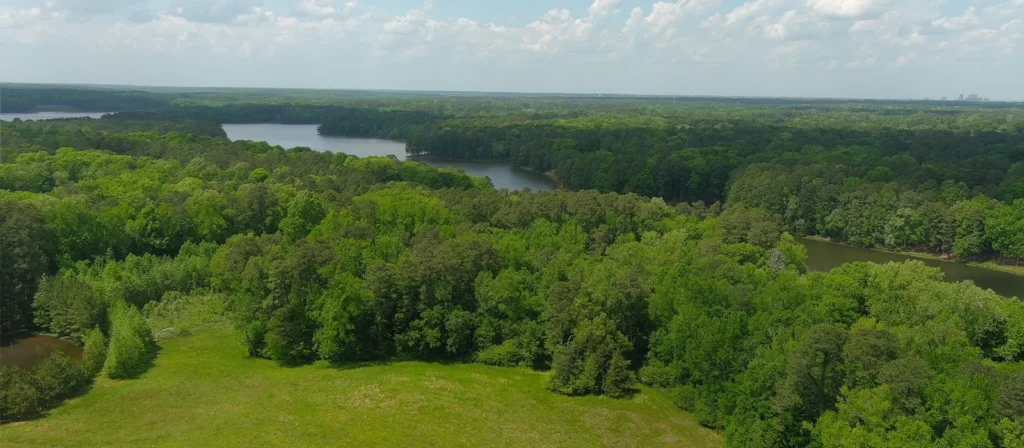
In June, TLC permanently conserved 248 acres of undeveloped, forested land located between Fearrington Village and Jordan Lake. This beautiful property contains wetlands, streams, and steep slopes that are unusual for the area and critical to the region. The property directly abuts the B. Everett Jordan Dam and Lake, one of the largest sources of […]

Keeping Pace with PINES Students
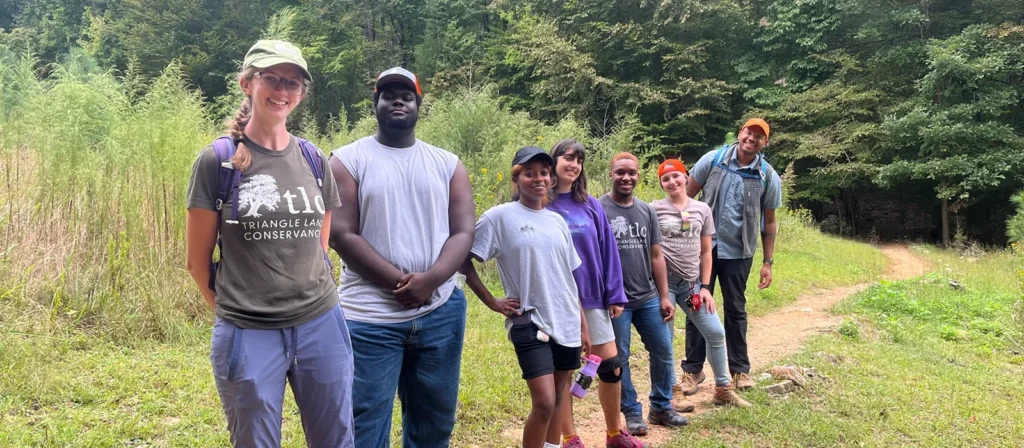
TLC’s Pathways Into Natural Environments and Science (PINES) team has been in full force getting ready for the upcoming spring program. Four returning high school students, Noe, Ava, KJ, and Tadrion, have been working with TLC’s Education & Outreach team as student leaders to plan out activities, guest speakers, and other experiences for 2024. Additionally, TLC staff […]

TLC and Town of Garner partner to save land for future nature preserve
Often asked why she decided to protect her family’s land for future generations, Martha Bryan Liles credits her parents. “Any of you who grew up on a farm know that you’re taught to work the land and love the land, so that’s pretty typical,” Liles said. “What may not be typical is I was taught […]

TLC partners with Wake County to preserve 125 acres of farmland in Wendell
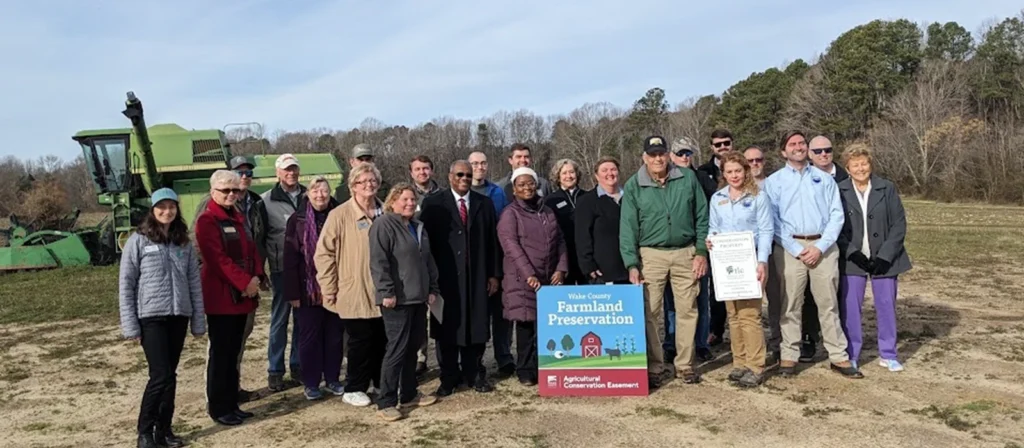
A big win for farmland happened in Wendell with a 125-acre farm, one of the last remaining large farms in the area, being permanently protected. TLC partnered with the Wake County Board of Commissioners to place the property into Wake County Soil and Water Conservation District’s Farmland Preservation Program. This conservation easement has resulted in the […]

Vanishing Wildlife Habitat

Worldwide we are experiencing the greatest acceleration in animal and plant species extinction in human history. North Carolina is one of the most biodiverse states in the country, yet rapid development across the Triangle is destroying natural habitats at an alarming rate.

Increase in Natural Disasters

Extreme weather events are increasing in frequency causing flooding, droughts, hurricanes, tornadoes, and massive wildfires. Lower-income communities are disproportionately impacted, largely due to historical racial inequities.

Inequitable Access to Land and Nature

For generations, people of color were denied access to public parks and beaches. By 2050, people of color will make up 45% of our local population yet nearly 75% of US communities of color lack access to safe and maintained outdoor spaces — compared with 23% of White communities. We must inspire and engage more diverse citizens to advocate for equity in land ownership and promote preservation.

Declining Public Health

Experts recently declared a national emergency in child and adolescent mental health with rates of depression, anxiety, and trauma soaring. Children spend an average of 6.5 hours a day in front of a screen and almost half of adults don’t get enough physical activity that is key to preventing chronic conditions like heart disease, cancer, diabetes, and depression.

Disappearing Farms

By 2040, North Carolina is expected to develop 11% of its farmland, nearly 1.2 million acres, the second-highest rate of conversion in the country. Johnston and Wake are the 19th and 32nd most vulnerable counties in the U.S. Since 2014, Wake County has lost 22,964 acres of farm and forest land — that’s almost 20%. Historically, land ownership by Black farmers has dropped more than 85% in the US over the last century.

Exponential Growth and Development

North Carolina is one of the fastest-growing states in the nation, and the Triangle is predicted to attract 40% of projected growth. In the last decade, one in four new residents moved to Wake County, and Johnston County is seeing the fastest percentage growth in the state. The pace of development is forcing land prices to skyrocket throughout the region.