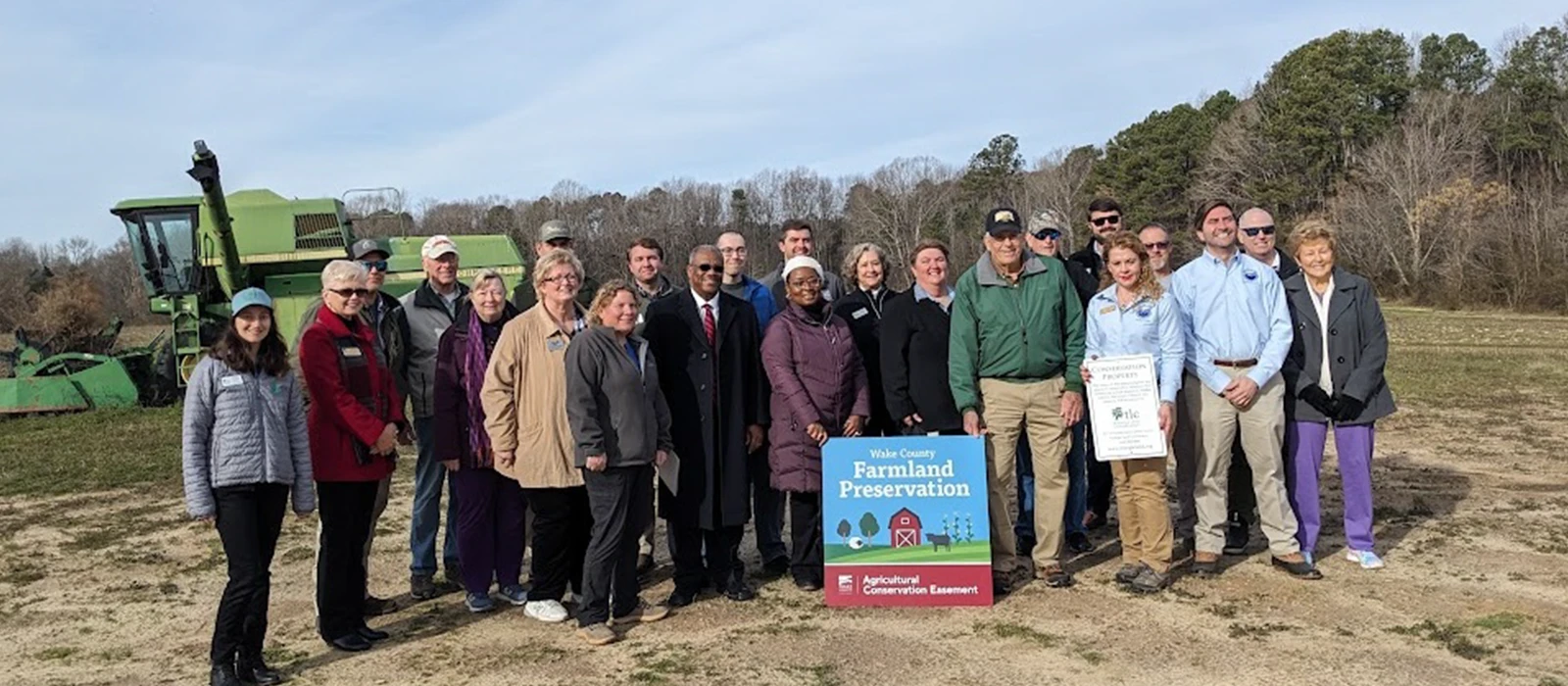
A big win for farmland happened in Wendell with a 125-acre farm, one of the last remaining large farms in the area, being permanently protected. TLC partnered with the Wake County Board of Commissioners to place the property into Wake County Soil and Water Conservation District’s Farmland Preservation Program. This conservation easement has resulted in the single largest dedication of funds for farmland preservation in the county, state, and one of the largest in the country.
The farmland is owned by the father and son James and Matthew Bailey, who inherited it from James’ uncle.
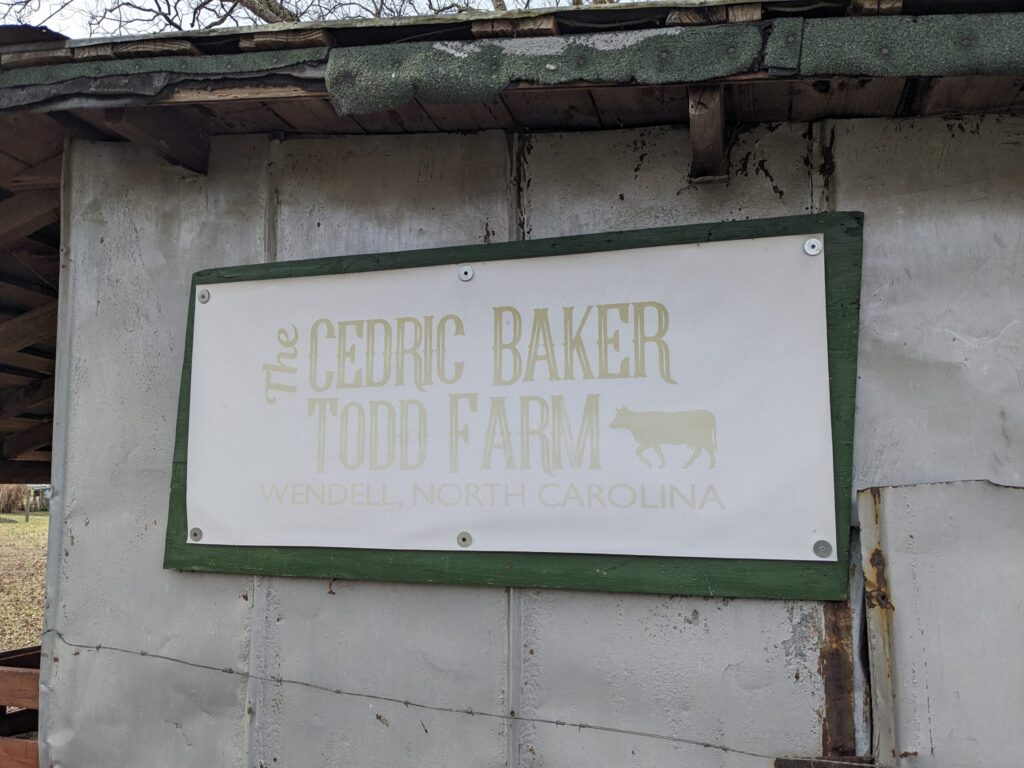
“This land was originally owned by my uncle, Cedric Todd, where he ran a dairy farm and later raised beef cows,” said James Bailey. “When he passed away in 2014 my son Matt and I were very surprised to learn that he had left the farm to us, together with a note saying he hoped we would enjoy the land as much as he did, and that we would grow something other than houses on it. Putting the farm into a permanent conservation easement is the best way we could honor his wishes and keep the land from ever being developed.”
Since 2013, Wake County has lost 22,964 acres of its farm and forest land to rising development in the region. While meeting the demand of a growing population is important, it’s also necessary to protect and preserve the places that help sustain our communities – local family farms.
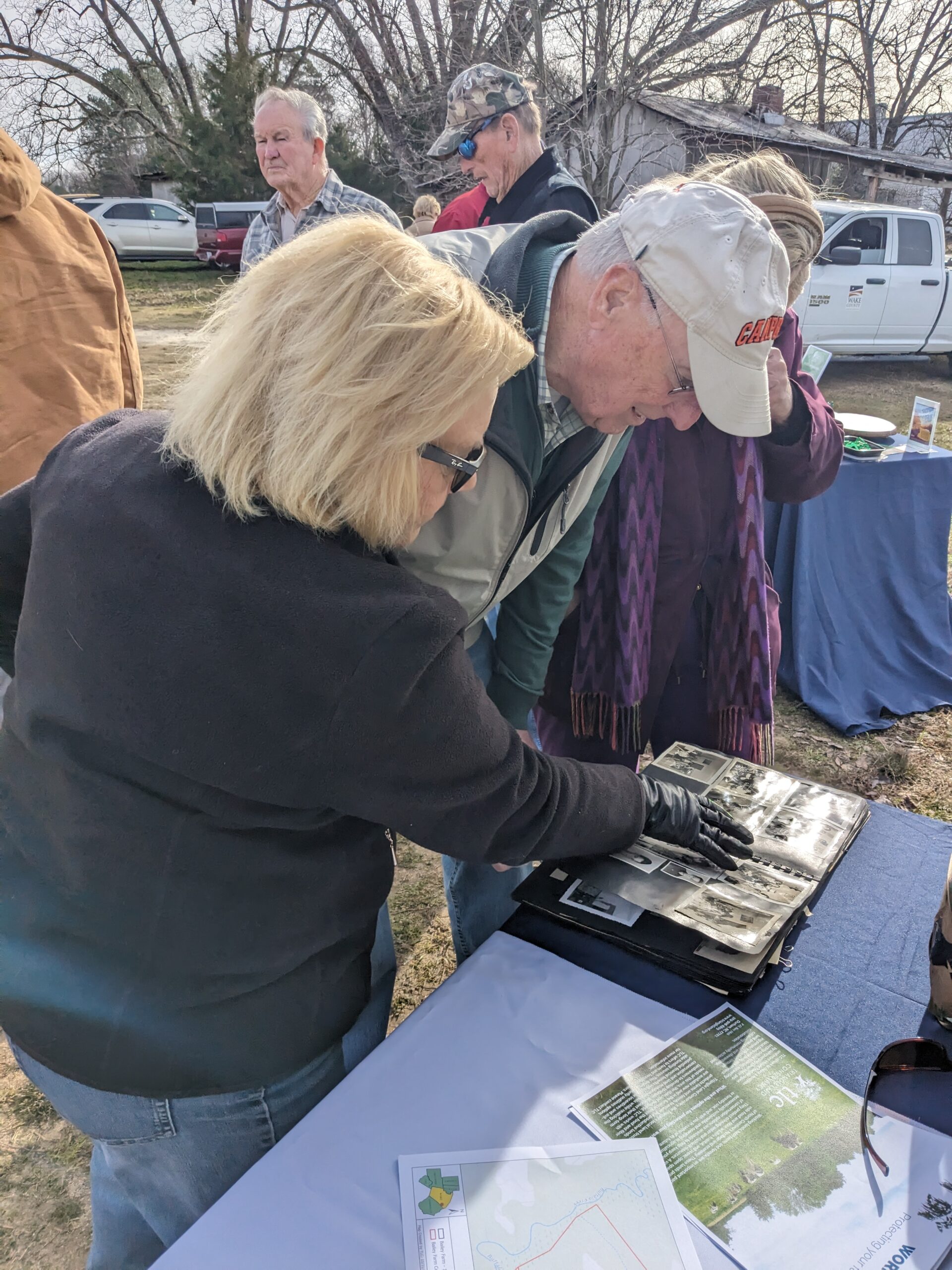
“This agreement ensures that fields that are producing sweet potatoes here today will be used to nourish Wake County for generations to come. It also ensures that the woods that provide shelter to the native wildlife now will ring with birdsongs way after everyone’s forgotten what we’re talking about here today,” said Shinica Thomas, chair of the Wake County Board of Commissioners at the celebration ceremony held on January 12.
Instead of new houses, the property will continue to grow vegetables like squash and sweet potatoes by farmers who lease the 55 acres of available cropland. The Bailey’s agreed to voluntarily place the land into the Farmland Preservation Program. While the property will still be privately owned, the conservation easement will restrict the ability to develop the land. Conservation easements are binding and stay with the property even if it is sold to another owner – meaning that the land’s natural resources and value is forever protected. TLC will hold and continue to monitor the easement in perpetuity.
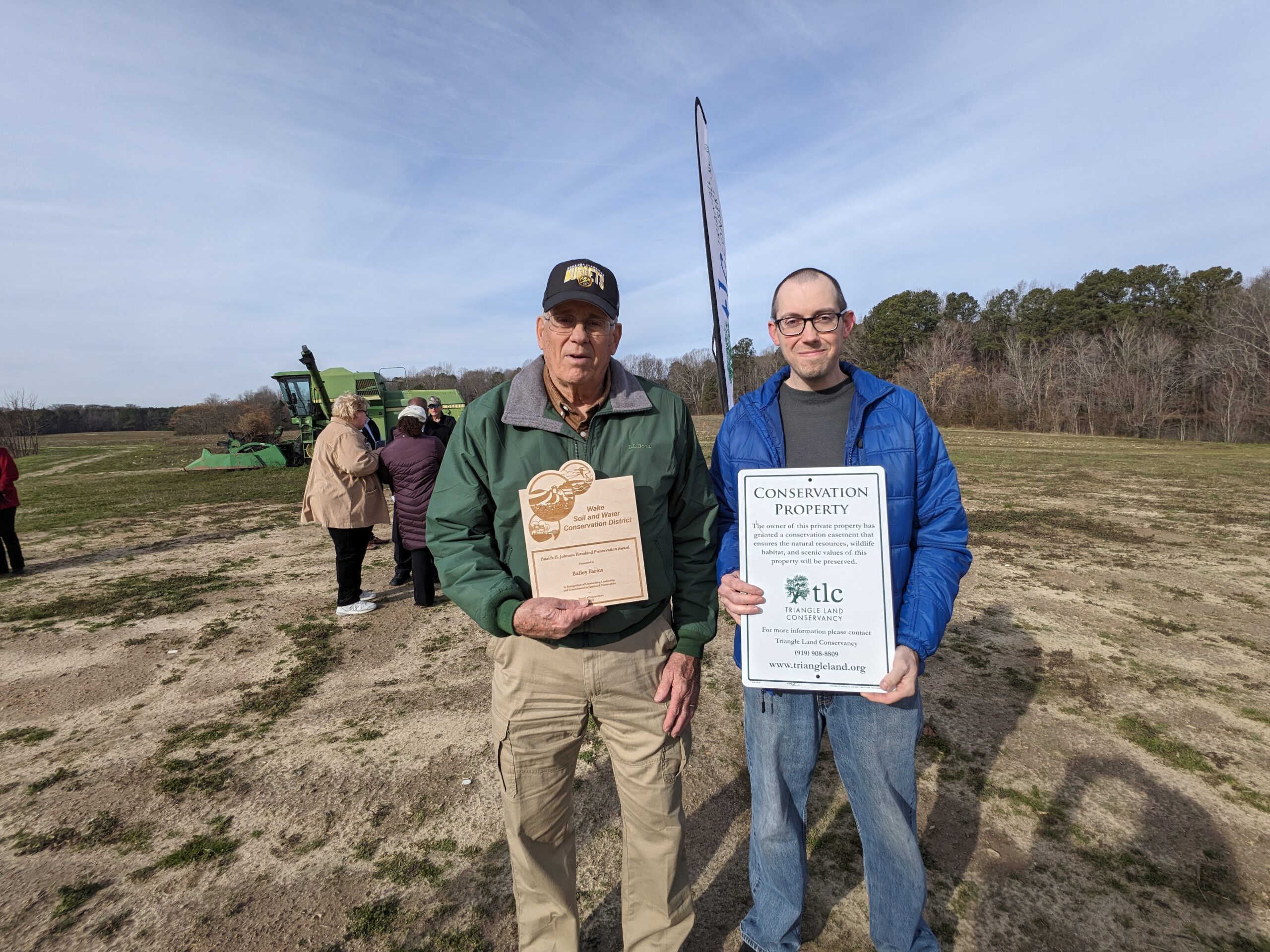
To mark this exceptional achievement, the Baileys were presented with the Patrick H. Johnson Farmland Preservation Award for 2023 by Beth Farrell, Board of Supervisors, at the Wake Soil & Water Conservation District.
The Bailey Farm is the second land protection project that TLC has partnered with Wake County on with the Farmland Protection Program. The County funds conservation easements using deferred tax payments on former farmland that are set aside.
“This innovative program is a true game changer for farmland conservation, and we applaud Wake County for blazing a path that other counties around the state are already beginning to emulate,” said Sandy Sweitzer, TLC’s Executive Director. “We are immensely grateful to Wake County for their support of farmland conservation, and to the Bailey family for deciding to preserve this land for future generations.”
Read more about this exciting conservation project in the News & Observer article by Adam Wagner here. (PDF version here).
You can watch the official celebration at the Bailey Farm below.

