By Olivia Bowler, Director of Communications
Triangle Land Conservancy has seen major progress in farmland preservation efforts in Chatham County, where momentum continues to grow thanks in large part to local government support and long-standing community ties to the land.
Now entering its second year, the Chatham County Organizational Support Grant—created by the county in 2024 to bolster agricultural conservation work—has significantly expanded TLC’s capacity to protect working lands in Chatham County, which is home to more than 114,000 acres of farmland. The grant, which was voted on by the Board of Commissioners, enabled TLC to hire a dedicated Working Lands Manager. This key role is helping accelerate farmland conservation across the county. Today, more than 875 acres of working farmland and forests are in the process of being permanently protected through conservation easements.
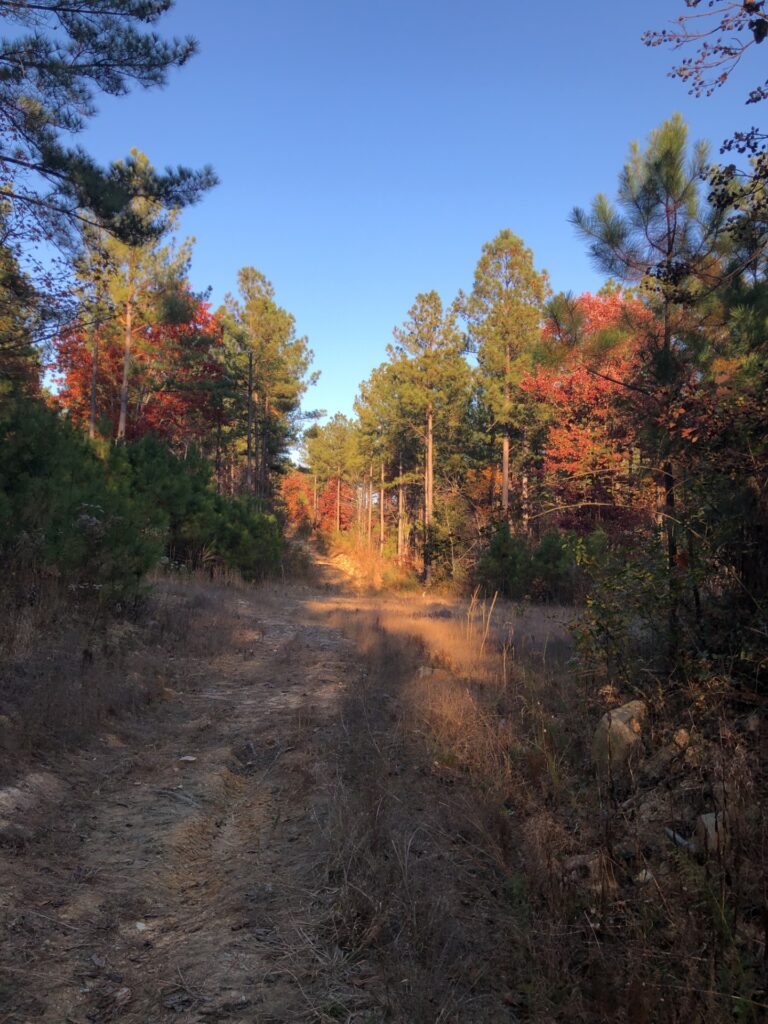
Among the most recent successes is the conservation of Bolton Leight Forest, a 146-acre working forest located in the Silk Hope region of Chatham County. Adjacent to the Shakori Hills Community Arts Center, this forest has now been permanently protected through a conservation easement, ensuring it remains a working landscape for generations to come.
Funding for the Bolton Leight easement was provided by the North Carolina Agricultural Development and Farmland Preservation Trust Fund, while the time and expertise from TLC’s staff were made possible through Chatham County’s Organizational Support Grant.
“Throughout North Carolina’s history, people’s livelihoods have been connected to the land, and that is particularly resonant here in Chatham County today,” said Emma Childs, TLC’s Working Lands Manager. “Thanks to the support of Chatham County and our other organizational partners, we are gaining traction in helping families protect the land they’ve loved and worked for generations.”
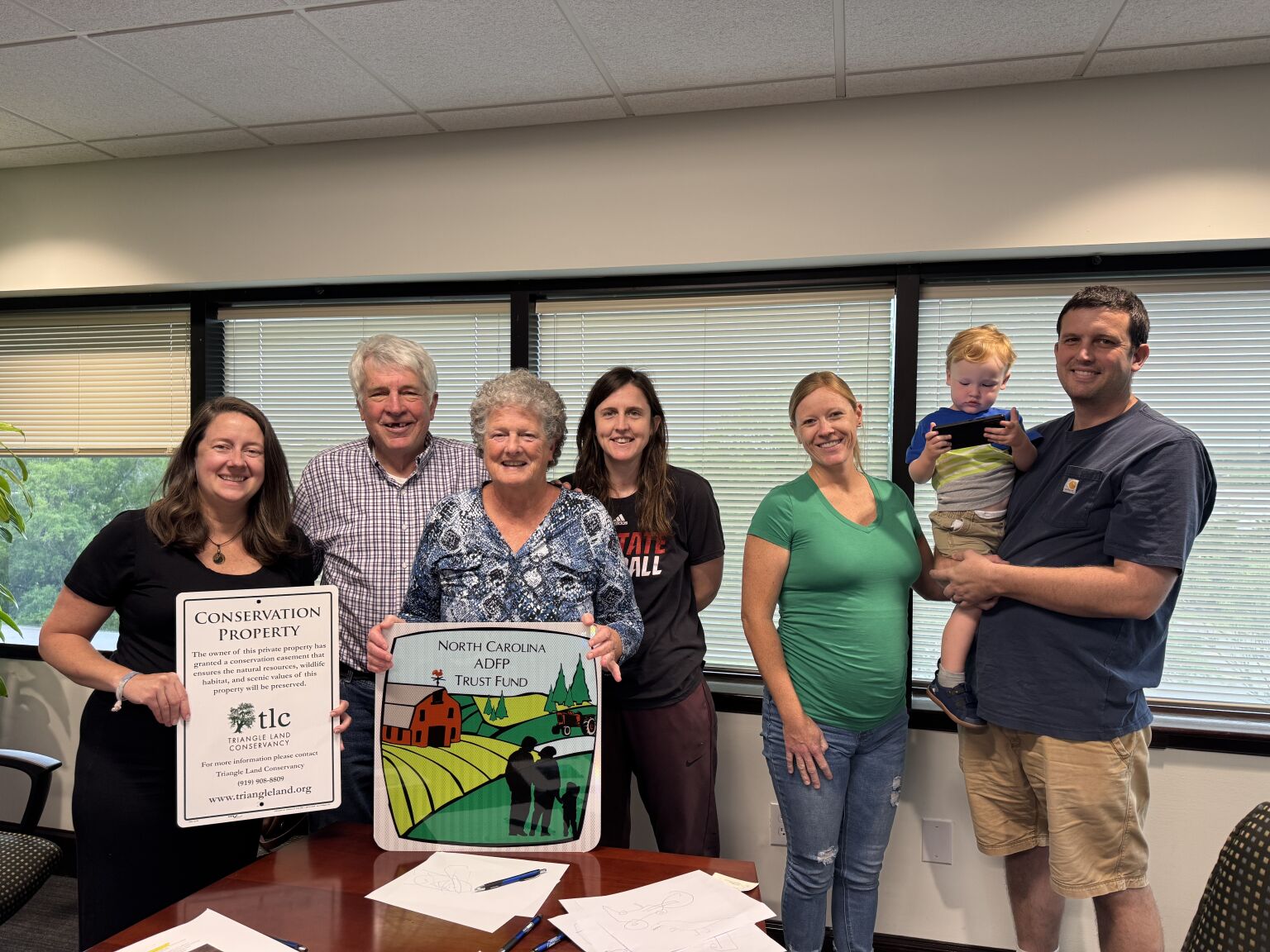
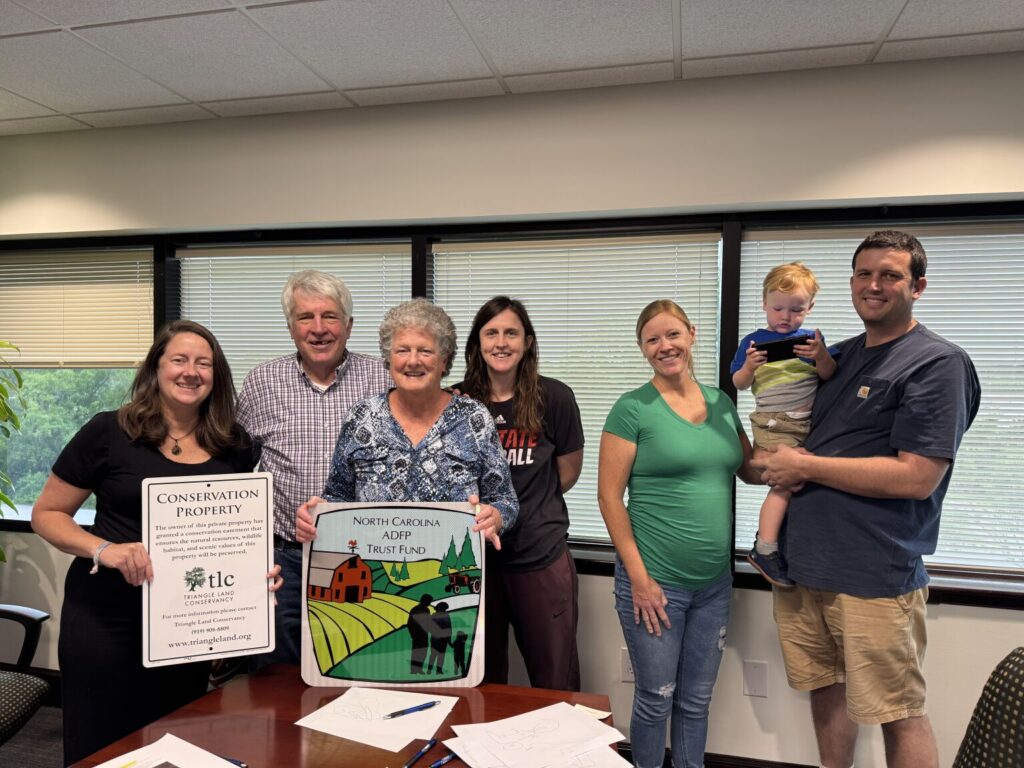
The closing at Bolton Leight Forest was especially meaningful, with three generations of the Bolton Leight family in attendance. Their presence underscored the deep connections that Chatham families have to their land—and the importance of providing tools to help them sustain those connections.
Conservation easements are a powerful tool used by land trusts like TLC to secure the longevity and stewardship of working lands while retaining private ownership. These voluntary, legally binding agreements allow landowners to use, sell or transfer their land while ensuring it remains as contiguous acreage for widespread ecological and agricultural benefits. Each easement is tailored to the specific needs of the landowner and the unique features of the property. Once in place, TLC is responsible for monitoring the easement in perpetuity, making regular visits to ensure the conservation goals are upheld.
Chatham County is home to more than 1,100 farms—98% of which are family-owned—and agriculture contributes an estimated $125 million annually in cash receipts to the local economy. TLC’s conservation work not only helps protect these valuable working lands, but also ensures the continued economic vitality of the region.

