By Olivia Bowler, Director of Communications
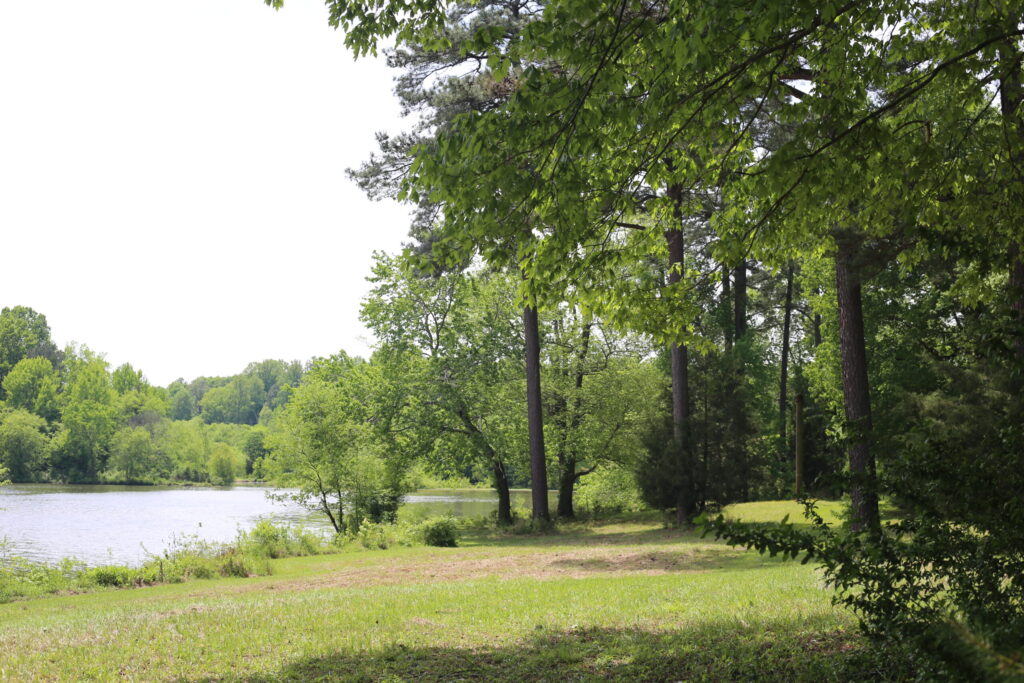
The Walton Farm, one of the last large working farms in Raleigh, is now permanently protected through a conservation easement made possible by a partnership between Walton Farm, Triangle Land Conservancy, and Wake County. The easement ensures that Walton Farm’s valuable farmland, open space and wildlife habitat will be preserved forever.
Triangle Land Conservancy worked closely with the landowners, who have owned and farmed the land for more than 50 years. The area has been a high-priority candidate for TLC’s conservation efforts since it was established in 1983.
The project represents one of the most generous conservation easement donations in TLC history in a highly pressured part of the Triangle. Before placing the easement, the land was valued at more than $10 million.
“I can’t think of many other urban projects in the Triangle that support so many of TLC public benefits – from farmland protection to clean water, scenic viewsheds and habitat corridors,” said Leigh Ann Hammerbacher, TLC’s Director of Land Protection East. “This is a mutigenerational project that will provide benefits to the community for hundreds of years to come.”
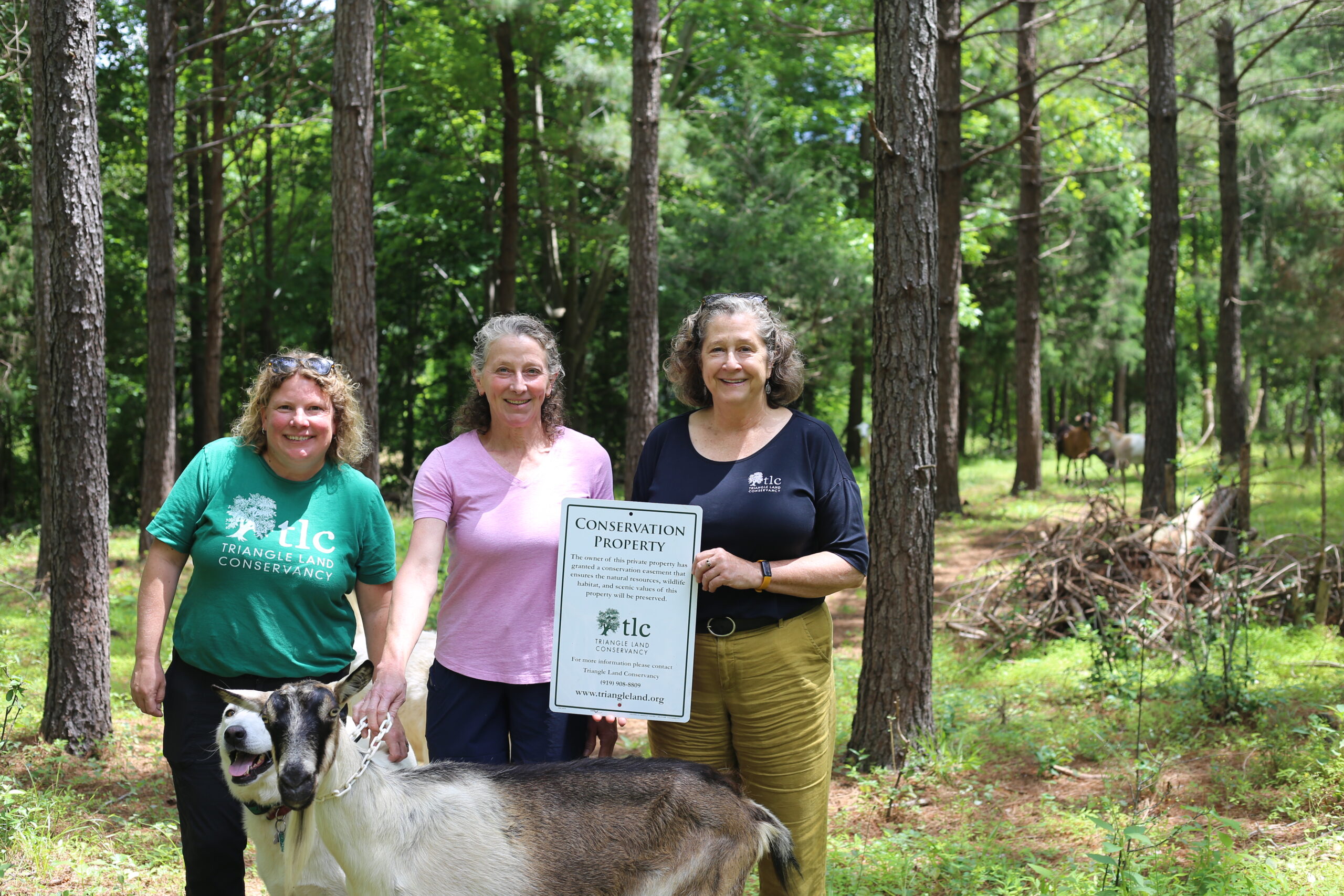
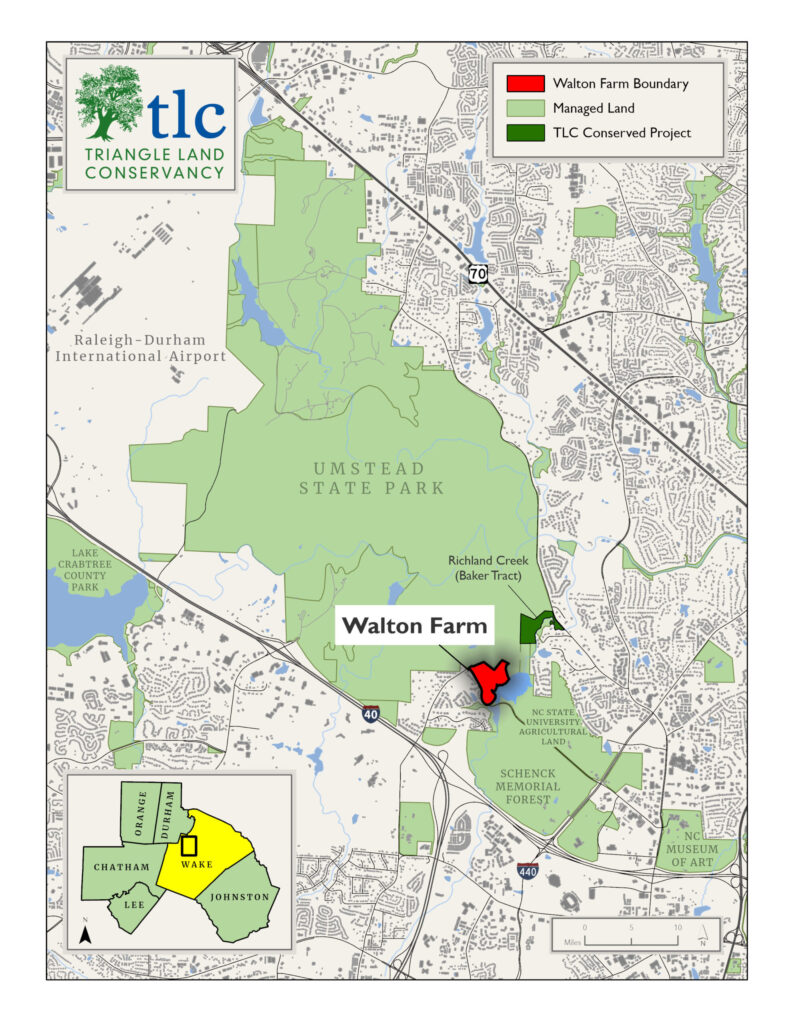
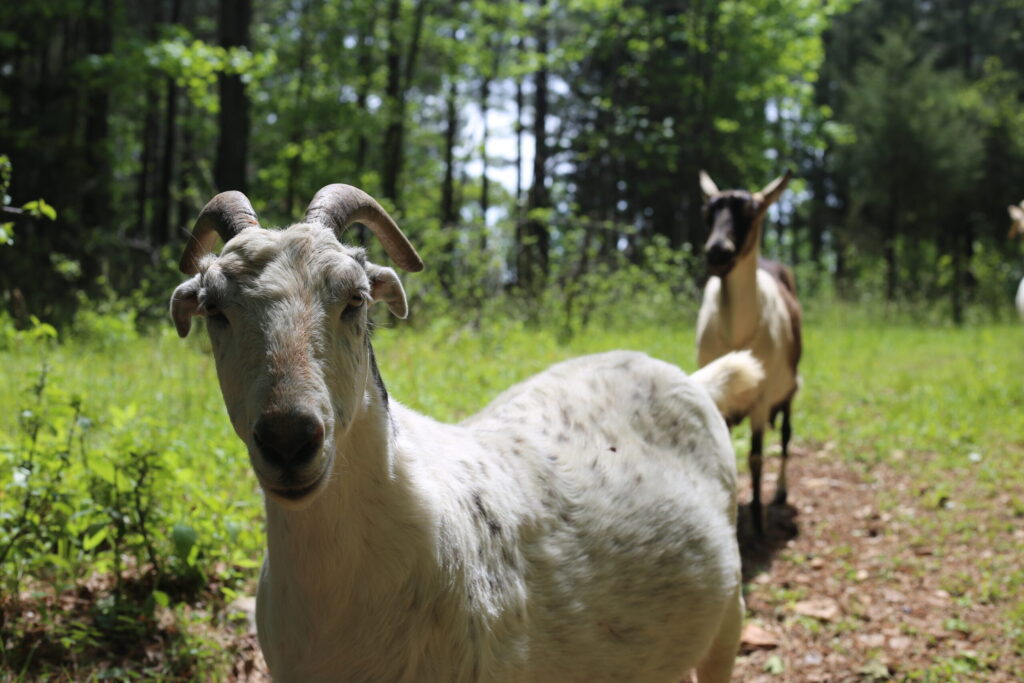
The farm is the largest remaining undeveloped property between Umstead State Park and Schenck Forest and features two headwater streams that flow into Richland Creek. The land is used for small-scale livestock operations, including goats, and nearly 90 percent of its soils are classified as prime or of statewide importance.
“My father, Russell C. Walton, Jr., loved this land and worked hard to make sure it remained intact and free from development,” said Mary Walton, one of the landowners. “I think he would be really proud that we have managed to conserve this place forever.”
According to the American Farmland Trust, North Carolina ranks second in the country for projected farmland loss, and Wake County is one of the three most heavily impacted counties in the state for projected farmland loss.
Wake County contributed $1.1 million from its Deferred Agricultural, Horticultural and Forestlands Tax Reserve Fund to help purchase the easement. However, this project wouldn’t have been possible without a generous contribution from the landowner, who donated more than 85 percent of the easement value. Wake County’s funds covered the easement purchase and closing costs. Triangle Land Conservancy will hold and monitor the easement, while Wake County maintains enforcement rights to ensure the property is protected long-term.

